
In the rapidly evolving landscape of global construction, the humble cable tray has transitioned from a basic utility item to a high-performance engineering component. Often referred to as the “nervous system” of industrial and commercial buildings, cable tray systems are witnessing a surge in demand driven by three massive global shifts: the AI-fueled data center boom, the transition to renewable energy, and the modernization of urban infrastructure in emerging economies.
As we move through 2026, the global cable tray market is projected to reach unprecedented valuations, with manufacturers in industrial hubs like China playing a pivotal role in maintaining supply chain resilience for international contractors in the USA, Australia, and the Middle East.
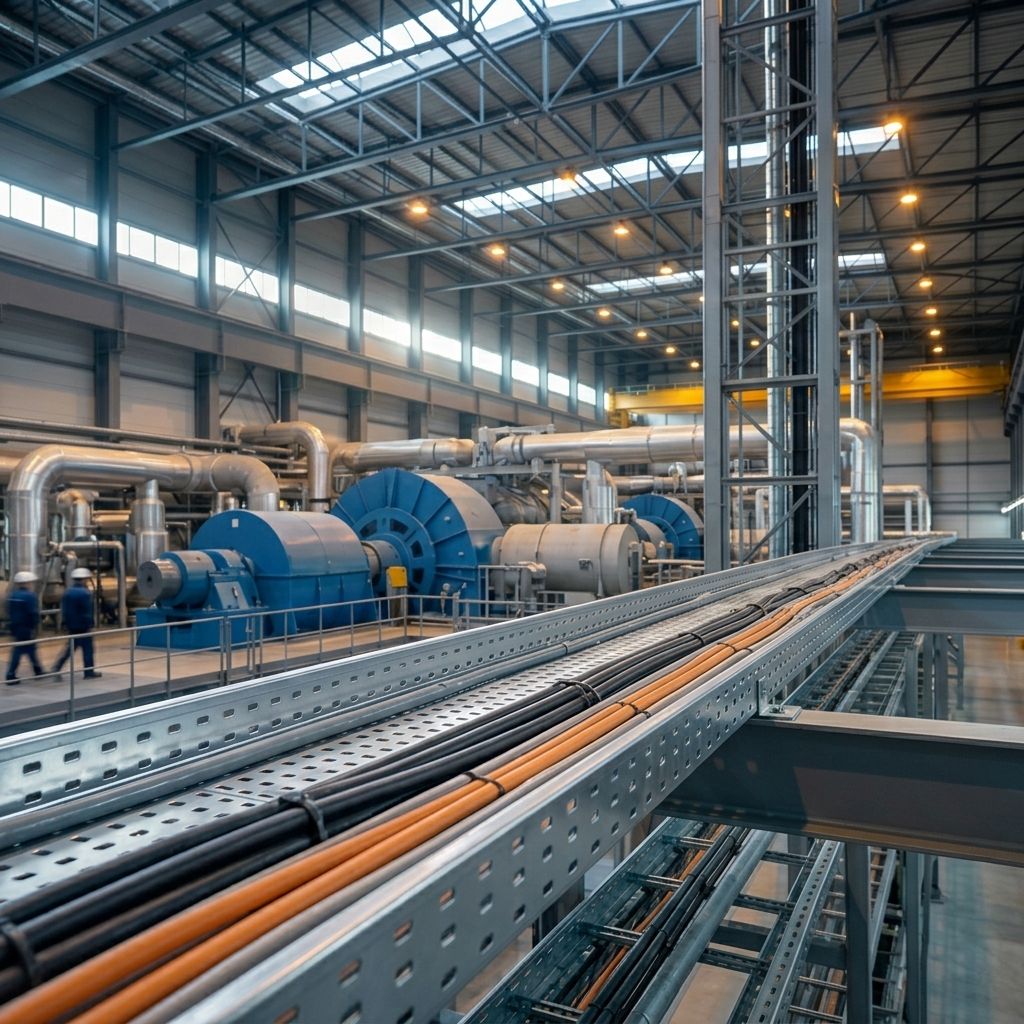
1. The Data Center Catalyst: Cooling and Connectivity
The explosion of Artificial Intelligence (AI) and High-Performance Computing (HPC) has fundamentally changed the requirements for cable management. Modern data centers now house high-density server racks that generate significant heat, requiring advanced airflow solutions.
Perforated Cable Trays have become the industry standard for these environments. Unlike solid-bottom trays, perforated versions allow for maximum heat dissipation and air circulation, preventing cable derating and fire hazards. In North American and Australian markets, Tier 4 data center operators are increasingly specifying stainless steel (SS304/SS316) or high-grade aluminum trays to ensure longevity and EMI (Electromagnetic Interference) shielding.
The shift toward modular data center construction has also spurred the demand for Wire Mesh Cable Trays. These lightweight, easy-to-install systems allow for rapid deployment and field modifications, a critical factor for hyperscalers like Amazon Web Services (AWS) and Microsoft Azure.
2. Renewable Energy: Solar Mounting and Beyond
Perhaps the most significant growth area for cable tray manufacturers is the renewable energy sector. Large-scale solar farms in regions like Saudi Arabia (NEOM) and the Australian Outback require specialized containment systems that can withstand extreme UV exposure and desert environments.
Solar Mounting Accessories and Fixing Kits are now being integrated directly with cable tray designs. For instance, the use of HDG (Hot-Dip Galvanized) cable ladders is mandatory in these projects to prevent corrosion over a 25-year lifecycle. In the UAE and Saudi Arabia, where the “Saudi Vision 2030″ is driving massive solar installations, manufacturers who can provide integrated solutions—combining the tray, the seismic brackets, and the solar mounting hardware—are gaining a significant competitive edge.
3. Material Science: The Shift to HDG and Aluminum
Corrosion resistance remains the top priority for B2B buyers in the infrastructure sector. The global market is seeing a clear preference for:
- Hot-Dip Galvanized (HDG) Steel: Still the most cost-effective solution for outdoor and industrial environments, providing a “self-healing” zinc coating.
- Aluminum 6063: Gaining popularity in coastal regions like the Philippines and Australia due to its natural oxide layer and light weight, which reduces the “landed cost” (shipping + handling) for international importers.
- Fiber-Reinforced Plastic (FRP): An emerging niche for highly corrosive environments like chemical plants and offshore oil rigs in the Gulf region.
4. Regional Market Analysis: Opportunities for 2026
North America (USA & Canada)
The US market is currently dominated by the “Build Back Better” infrastructure initiatives. There is a massive demand for NEMA-compliant cable trays for bridge electrification, subway modernization, and 5G telecommunications rollouts. American contractors are particularly sensitive to UL (Underwriters Laboratories) and NEMA VE-1 standards, making certified products from verified suppliers a necessity.
Australia & The Philippines
In Australia, the mining and energy sectors continue to be the primary drivers. However, the commercial sector is seeing a rise in the use of Section Steel Brackets and Cable Ladders for high-rise residential developments in Sydney and Melbourne. Meanwhile, in the Philippines, government-led “Build, Build, Build” projects are creating a vacuum for high-quality, budget-friendly galvanized perforated trays.
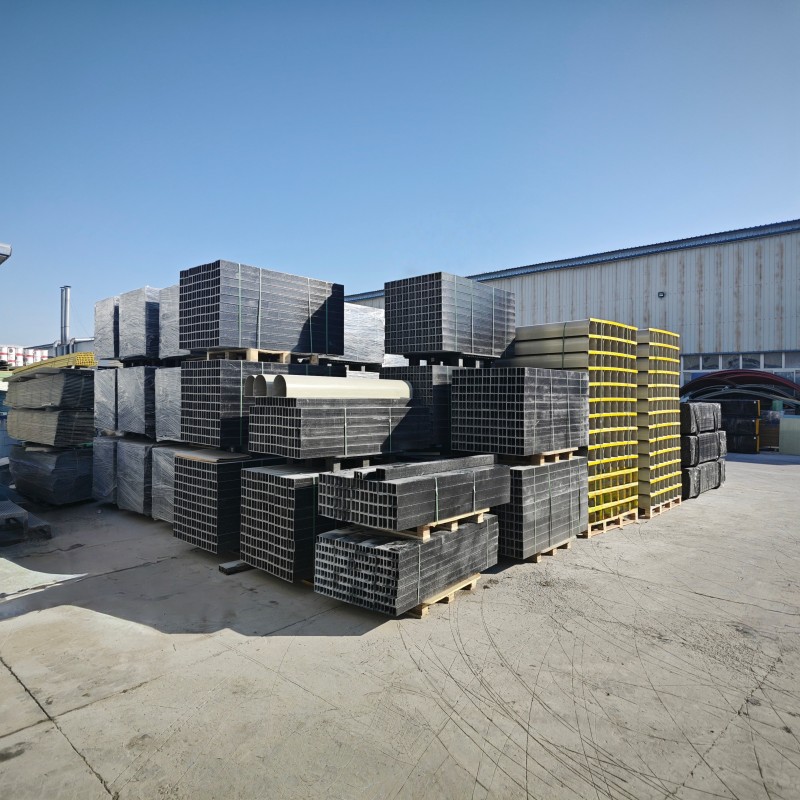
The Middle East (UAE & Saudi Arabia)
The Middle East remains the most lucrative market for custom hardware and heavy-duty cable management. With the UAE focusing on smart city initiatives and Saudi Arabia investing billions in industrial diversification, the demand for Seismic Brackets and Antivibration Systems is at an all-time high. These regions require cable trays that can support heavy power cables (up to 500mm²) over long spans without sagging.
5. Technical Standards: The Gateway to International Tenders
For any manufacturer or trader, compliance is not optional. The 2026 market is strictly governed by:
- IEC 61537: The international standard for cable tray systems.
- NEMA VE-1 / VE-2: The North American benchmark for metal cable tray systems and installation.
- AS/NZS 3013: The Australian standard for fire-rated cable management.
Buyers are no longer just looking for the lowest price; they are looking for ”Total Cost of Ownership.” This includes the ease of installation (fewer couplers and splice plates), the load-bearing capacity (kg/m), and the lead time from factory to site.
6. The Logistics of Cable Tray Sourcing: Calculating Landed Cost
For international buyers, the price on the factory floor is only half the story. The bulkiness of cable trays makes shipping a major expense. Savvy operators are now using “nested” designs—where smaller trays fit inside larger ones—to maximize container utilization.
When calculating the Landed Cost (Product Cost + Shipping + Import Tariffs), B2B buyers in the US and Australia are increasingly looking toward “integrated manufacturing” hubs. A supplier who can provide the perforated tray, the ladder, the section steel, and the custom fixing kits in a single shipment significantly reduces the buyer’s logistics headache and import fees.
7. Future Outlook: Smart Cable Management
What does the future hold? By 2030, we expect to see the rise of ”Smart Cable Trays.” These systems will feature integrated sensors to monitor cable temperature, detect partial discharges (leaks in high-voltage cables), and alert facility managers to potential fire risks before they occur.
Furthermore, sustainability is becoming a procurement requirement. “Green Steel” (steel produced with hydrogen or recycled scrap) is beginning to enter the cable tray supply chain, as corporate social responsibility (CSR) goals become mandatory for large-scale government contracts in Europe and North America.
Post time: Jun-05-2026