
In electrical installations, the choice between cable trays and conduits significantly impacts a project’s efficiency, safety, and cost-effectiveness. Both systems protect and organize wiring, but their respective characteristics make them suitable for different applications. This article will explore the differences between cable trays and conduits, their respective advantages and disadvantages, and provide guidance on when to use which system.
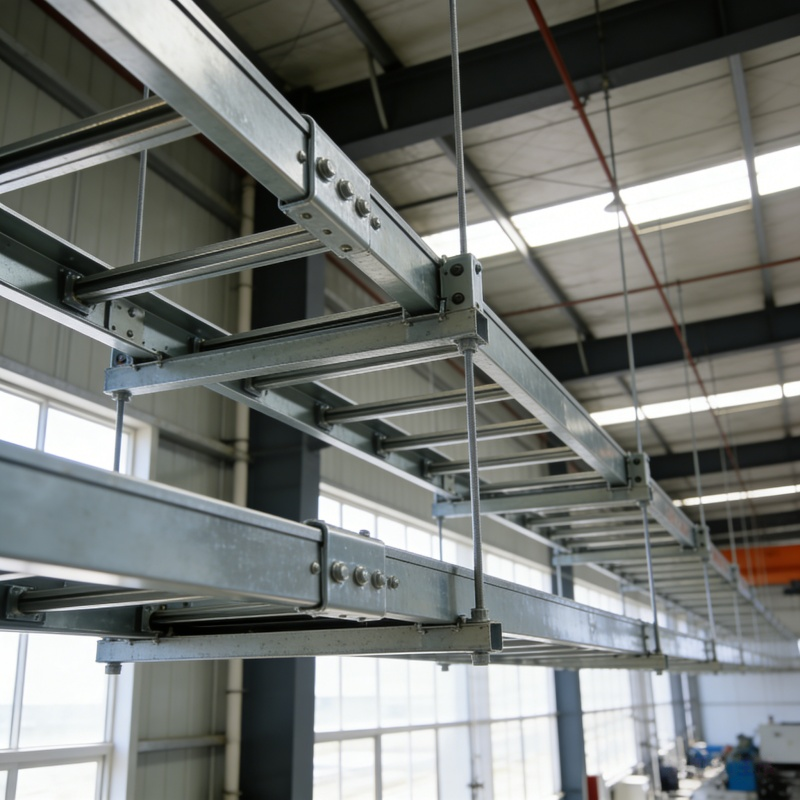
Understanding Cable Trays
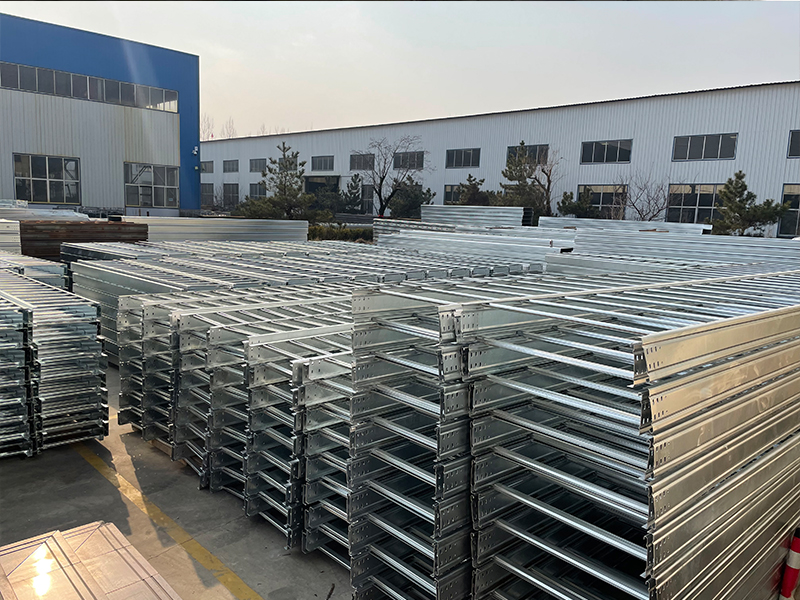
Cable trays are support systems used to fix and manage cables and wires. They are typically made of materials such as steel, aluminum, or fiberglass and come in various shapes and sizes, including ladder-shaped trays, perforated trays, and solid-bottom trays. Cable trays are commonly used in commercial and industrial settings where large quantities of cables need to be organized and protected.
Advantages of Cable Trays
1. **Ease of Installation**: Cable trays are generally easier and faster to install than conduits. They can be installed on walls, ceilings, or floors, and their modular design allows for flexible layout.
2. **Ease of Maintenance:** A major advantage of cable trays is their ease of cable maintenance and upgrades. This is especially important in environments where electrical systems undergo frequent changes.
3. **Ventilation:** Cable trays can improve airflow around cables, which helps dissipate heat and reduces the risk of overheating.
4. **Cost-effectiveness:** In many cases, cable trays are more cost-effective than conduits, especially in large installation projects. Reduced labor costs for installation and maintenance can lead to significant cost savings.
5. **Versatility:** Cable trays can accommodate various types of cables, including power cables, data cables, and communication cables, making them suitable for a wide range of applications.
Disadvantages of Cable Trays
1. **Limited Protection:** While cable trays offer some protection, their shielding effect is not as good as that of conduits. Cables inside the trays are subject to environmental factors, which can lead to wear and tear over time.
2. **Aesthetic Considerations**: In some applications, the appearance of cable trays may not be ideal, especially in areas where aesthetics are a primary consideration.
3. **Potential for Cable Damage**: When cables are placed in a tray, they are susceptible to damage from external forces, such as falling objects or accidental contact.
Understanding Catheters
A conduit is a tubular or conduit used to protect and guide electrical wires. It is typically made of materials such as PVC, metal, or fiberglass, and is available in a variety of sizes and types, including rigid conduits, flexible conduits, and EMT (Electrical Metal Conduit). Conduits are widely used in residential, commercial, and industrial applications to provide additional protection for electrical wires.
Advantages of Catheters
1. **Enhanced Protection**: Conduit provides superior protection for cables against physical damage, moisture, and chemical corrosion. This makes it ideal for harsh environments.
2. **Fire resistance:** Many conduit materials are fire-resistant, which can improve the overall safety of electrical installations.
3. **Aesthetics**: Catheters can be installed in a way that minimizes their visibility, making them a more aesthetically pleasing option in some applications.
4. **Long-term durability:** The conduit system is designed for durability, providing long-term protection for wires and reducing the need for frequent maintenance.
Disadvantages of catheters
1. **Complex Installation:** Installing conduit is more complex and time-consuming than installing cable trays. It typically requires specialized tools and skills, which increases labor costs.
2. **Limited Maintenance or Upgrades:** Once the cable is installed inside the conduit, maintenance or upgrades become extremely difficult. Any modifications required may result in extended downtime and increased costs.
3. **Higher initial costs:** Compared to cable trays, the material and labor costs required for conduit installation can result in higher upfront costs.
When to use cable trays instead of conduits
The choice between cable trays and conduits depends on a number of factors, including the specific application, environmental conditions, and project requirements. Here are some guidelines to help you determine when to use which system:
When to use cable trays:
1. **Ease of maintenance is a primary consideration:** If your project requires frequent changes or maintenance of wiring, cable trays are a better choice because they are easy to access.
2. **Large-scale cabling:** In environments where managing large amounts of cabling is required, such as data centers or industrial facilities, cable trays can provide an efficient solution.
3. **Ventilation is important:** If heat dissipation is an issue, cable trays can improve airflow around the cables, thereby reducing the risk of overheating.
4. **Cost Constraints**: If budget is a significant factor, cable trays may be a more cost-effective solution, especially for large installations.
When to use a catheter:
1. **Protection is critical:** In environments where cables may be subjected to physical damage, moisture, or chemical corrosion, conduits provide the necessary protection.
2. **Aesthetic Considerations:** If the appearance of the installation is an issue, the conduit can be installed using an installation method that minimizes its visibility.
3. **Fire safety is an important issue:** In applications where fire resistance is critical, conduit materials can improve the safety of electrical systems.
4. **Requirement for long-term durability**: If the installation is expected to last for many years with minimal maintenance, then the conduit may be a better choice due to its durability.
Cable trays and conduits each have their own advantages and disadvantages, making them suitable for different applications. Understanding the specific needs of your project, including accessibility, protection performance, cost, and environmental conditions, will help you make an informed choice. By carefully evaluating these factors, you can select the appropriate system to ensure the safety, efficiency, and lifespan of your electrical installations. Regardless of whether you choose cable trays or conduits, both systems play a crucial role in the effective management of electrical wiring in various environments.
→ For all products,services and up to date information,please contact us.
Post time: Mar-18-2026