
As we move further into 2026, the global lighting market is witnessing a seismic shift. No longer just a functional necessity, lighting has evolved into a primary building material. At the heart of this transformation is the humble yet highly sophisticated Aluminum LED Profile (also known as the LED light trough). Once a niche product for industrial applications, these sleek, silver channels are now the defining element of modern luxury homes and cutting-edge commercial spaces.
With the global LED aluminum profile market projected to hit $5.4 billion by 2033, according to recent industry reports, the demand for high-quality linear lighting solutions is at an all-time high. This article explores the trends, technical benefits, and future outlook of the aluminum light trough industry.
The Rise of “Invisible” Lighting: Architectural Integration
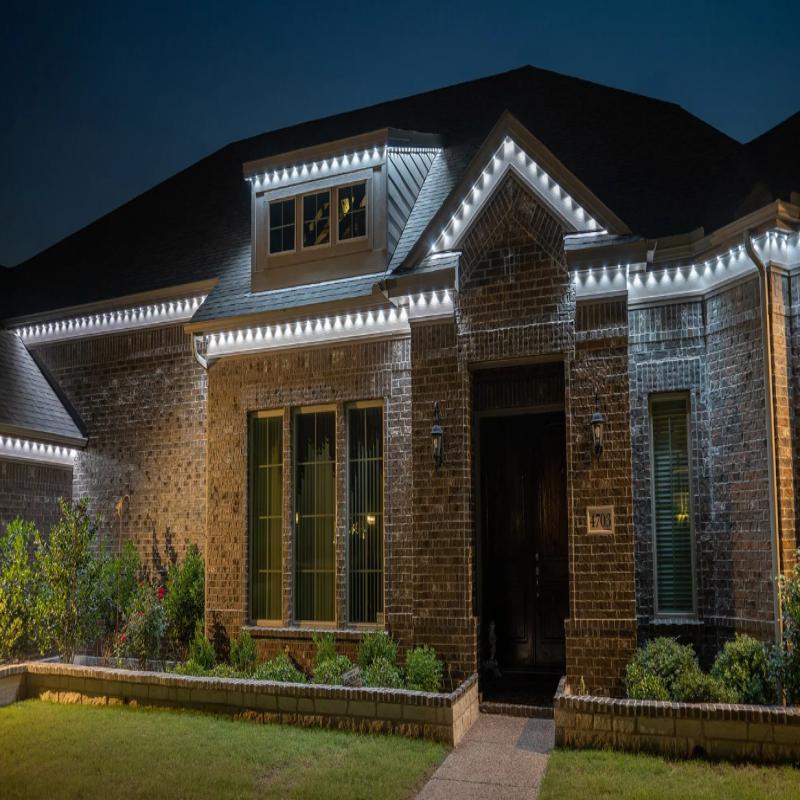
The most prominent trend in 2026 is the disappearance of the light fixture itself. Architects and interior designers are increasingly moving away from traditional bulky lamps and chandeliers in favor of integrated linear lighting. By using recessed aluminum profiles, designers can embed light directly into walls, ceilings, and floors, creating a “glow from within” effect that defines modern minimalism.
Technical Superiority: More Than Just a Pretty Face
Why aluminum? The choice of material is not merely aesthetic; it is deeply rooted in performance and longevity.
1. Superior Heat Dissipation
LED strips, while energy-efficient, generate heat. In a confined space, this heat can significantly reduce the lifespan of the LEDs and cause color shifting. Aluminum is an exceptional thermal conductor. By acting as a massive heat sink, the aluminum light trough pulls heat away from the diodes, ensuring that a high-quality LED strip can last well over 50,000 hours.
2. Physical Protection
LED strips are fragile. They can be damaged by dust, moisture, or physical impact. The aluminum channel provides a rigid casing that protects the internal components. This makes linear lighting viable in high-traffic areas like stairs, hallways, and even outdoor landscapes.
3. Light Quality and Diffusion
The “naked” LED look is generally avoided in high-end design. Aluminum profiles come with various diffuser options—clear, frosted, or milky/opal. These covers soften the light, broaden the beam angle, and create a continuous line of light that is easy on the eyes.
As we look at the current market, two major forces are driving product development: AI-powered smart home integration and Eco-friendly manufacturing.
Smart Integration
Modern aluminum profiles are now designed with internal cavities large enough to house micro-controllers and sensors. This allows for “Human-Centric Lighting” (HCL), where the light profile automatically adjusts its color temperature (CCT) and brightness based on the time of day, mimicking natural sunlight to improve the occupants’ circadian rhythms.
Sustainable Luxury
Sustainability is no longer optional. The leading manufacturers in 2026 are using 100% recycled aluminum. Aluminum is infinitely recyclable without losing its properties, making it one of the most eco-friendly choices in the construction industry. Furthermore, the modular nature of light troughs means that if an LED strip fails, only the strip needs to be replaced—not the entire fixture.
Applications: From Residential Sanctuaries to Commercial Hubs
The versatility of the aluminum light trough is unmatched.
- Residential: Beyond kitchens and ceilings, we are seeing a massive surge in “wardrobe lighting” and “mirror profiles.” Recessed corner profiles are also being used to highlight textured walls or stone finishes.
- Commercial: In retail, linear lighting is used to guide customers through the store or highlight specific product lines. In offices (see Image 3), integrated wall-to-ceiling lighting creates a dynamic, high-productivity environment.
- Industrial: Heavy-duty, high-output profiles are replacing traditional fluorescent tubes in warehouses, offering better light distribution and lower maintenance costs.
-
DIY vs. Professional Installation: A Changing Landscape
One reason for the explosive growth in search volume for “Aluminum LED Profiles” is the democratization of professional-grade lighting. While large-scale architectural projects require professional installers, the market for DIY-friendly surface mount channels has grown by 40% year-over-year.
Modern kits now include clip-on brackets and “snap-in” diffusers, allowing homeowners to upgrade their lighting with basic tools. However, for the “flushed” look seen in our images, professional grooving and wiring are still recommended to achieve the seamless finish that defines the 2026 aesthetic.
Future Outlook: The Road to 2030
As we move toward 2030, expect to see the integration of Micro-LED technology within aluminum profiles. This will allow for even thinner profiles—some as slim as 5mm—that can provide enough light for an entire room. We will also see the rise of “smart coatings” on the aluminum that can repel dust and fingerprints, keeping the fixtures pristine with zero maintenance.
The linear lighting revolution is just beginning. Whether you are a homeowner looking to add a touch of luxury or a developer building the next sustainable skyscraper, the aluminum LED profile is the essential tool for the modern age.
Post time: May-22-2026