
While aluminum LED light channels are celebrated for their aesthetic versatility, their true value lies in the engineering precision that transforms basic LED strips into professional-grade lighting systems. For contractors, electricians, and lighting designers, understanding the technical specifications and installation methodologies of these profiles is critical to delivering projects that meet performance, durability, and safety standards while maximizing return on investment.
Decoding Aluminum LED Channel Specifications: What Every Professional Needs to Know
1. Material Science: The 6063-T5/T6 Aluminum Advantage
The choice of aluminum alloy directly impacts performance and longevity. The industry standard 6063-T5/T6 aluminum offers:
- Tensile strength: 240-260 MPa (T6 temper)
- Yield strength: 210-230 MPa
- Elongation: 8-10% (enabling bending without cracking)
- Thermal conductivity: 180-200 W/m·K (critical for heat dissipation)
- Corrosion resistance: Excellent (anodized finish provides additional protection)
This alloy is extruded at 500-550°C using precision dies to create profiles with dimensional accuracy of ±0.1mm, ensuring consistent performance across large-scale installations.
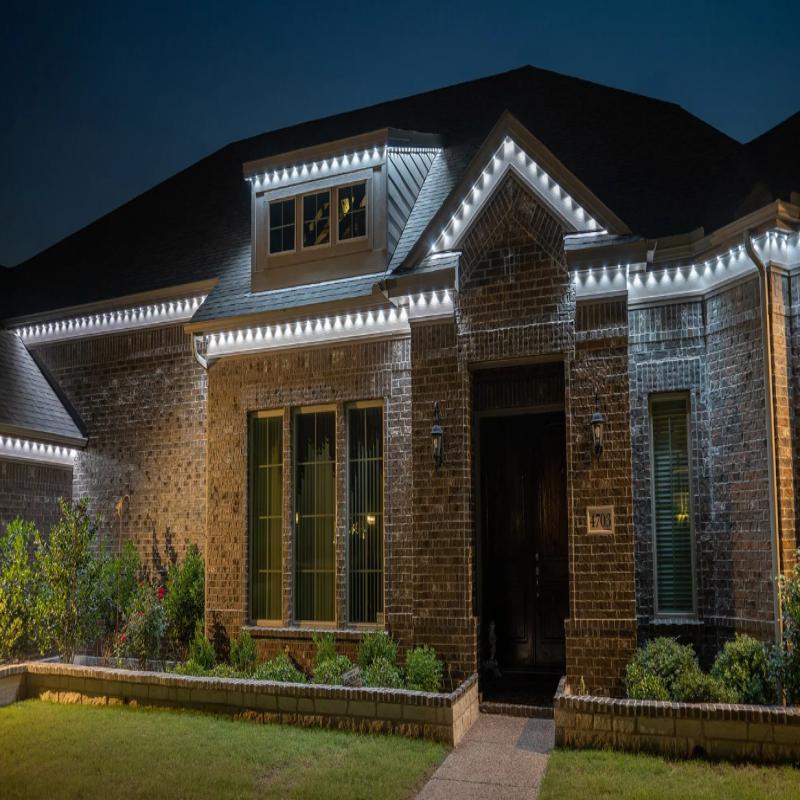
2. Profile Geometry: Beyond Simple U-Channels
Modern aluminum LED channels come in a diverse range of cross-sectional designs, each optimized for specific applications:
| Profile Type | Cross-Section | Key Benefits | Typical Dimensions |
|---|---|---|---|
| U-Channel | Basic U-shape | Versatile, easy installation | Width: 8-30mm, Depth: 6-25mm |
| V-Channel | Angled sides | Enhanced light directionality | Width: 10-25mm, Angle: 30-60° |
| Recessed | Flanged design | Seamless integration | Width: 12-35mm, Flange: 5-15mm |
| Corner | 90° angle | Perfect for wall/ceiling junctions | Width: 8-20mm, Leg length: 10-30mm |
| Surface Mount | Flat base | Quick installation on existing surfaces | Width: 15-30mm, Height: 8-20mm |
Advanced profiles may include internal heat sinks (increasing surface area by 30-50%), reflective coatings (boosting light output by 15%), and snap-fit diffuser systems for tool-free maintenance.
3. Diffuser Technology: Balancing Aesthetics and Performance
The diffuser cover is a critical component that determines light quality and distribution. Common materials include:
- Clear PC/PMMA: Maximum light transmission (92-95%) but visible LED dots
- Frosted PC/PMMA: Reduced hotspots (70-80% transmission) with softer illumination
- Milky PC/PMMA: Uniform light distribution (60-70% transmission) with complete dot hiding
- Prismatic: Directional light control for specific applications
For high-end commercial projects, micro-structured diffusers with laser-etched patterns are gaining popularity, offering both uniform light and design distinction.
4. IP Ratings: Understanding Protection Levels
Ingress Protection (IP) ratings are essential for specifying aluminum LED channels for different environments:
| IP Rating | Protection Against | Ideal Applications |
|---|---|---|
| IP20 | Fingers, dust | Indoor dry areas (offices, bedrooms) |
| IP44 | Splashing water, solid objects >1mm | Bathrooms, kitchens, covered outdoor areas |
| IP65 | Low-pressure water jets, total dust protection | Outdoor signage, building exteriors |
| IP67 | Immersion up to 1m | Swimming pools, fountains, wet industrial areas |
Proper sealing with neutral-cure silicone and waterproof end caps is essential to maintain IP ratings in installation.
Installation Mastery: Step-by-Step Guide for Flawless Results
Professional installation is critical to maximizing the performance and lifespan of aluminum LED channel systems. Follow this comprehensive process:
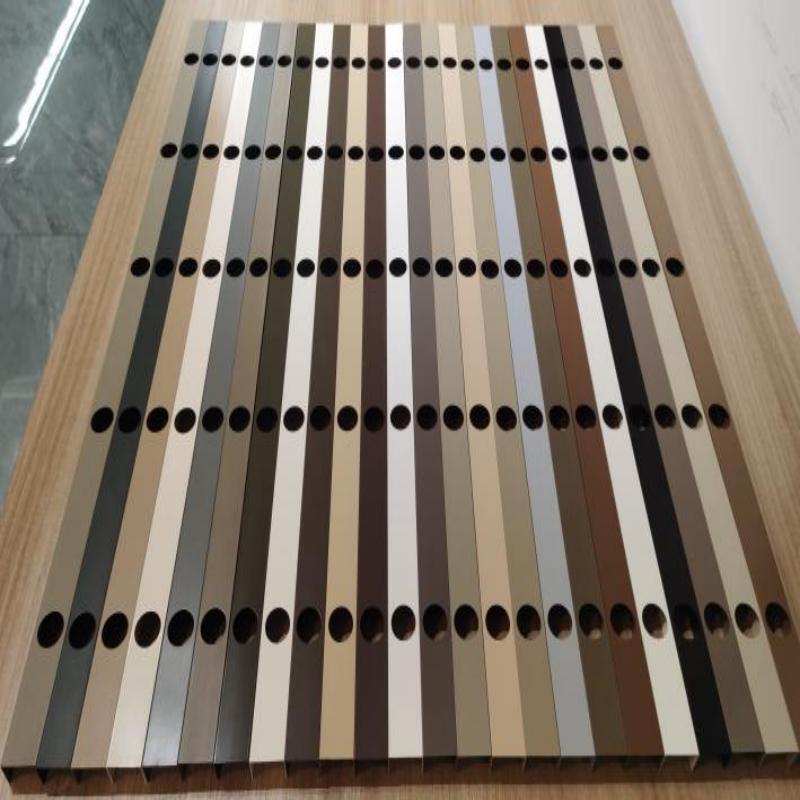
1. Pre-Installation Planning (Critical for Success)
- Calculate heat load: Ensure the profile has sufficient thermal capacity (minimum 0.5°C/W temperature rise) for the LED strip power density (typically 10-20W/m)
- Determine mounting method: Choose between clips, double-sided tape, screws, or brackets based on surface type and weight (aluminum channels weigh 0.2-0.8kg/m)
- Plan wiring routes: Allow for 20-30% extra length in LED strips and wiring to accommodate cutting and connections
- Check compatibility: Verify LED strip width (8mm, 10mm, or 12mm) matches channel dimensions
2. Precision Cutting & Preparation
- Use a miter saw with a fine-tooth metal blade (100-120 teeth) for clean, burr-free cuts
- Cut at 90° angles for straight installations; use a miter box for 45° corners
- Deburr edges with a file or sandpaper to prevent injury and ensure proper end cap fitting
- Clean channels thoroughly with isopropyl alcohol to remove dust and oil before installing LED strips
3. LED Strip Installation
- Apply 3M VHB double-sided tape to the channel base for secure LED strip adhesion
- Peel the protective film and carefully place the LED strip, aligning it with the channel center
- Use end caps with wire exit holes to conceal connections and maintain IP rating
- For long runs (over 5m), use soldered or crimped connections (not just tape) to ensure electrical integrity
4. Mounting & Finishing
- For recessed installation: Create a channel in the surface (depth = profile height + 2mm) and secure with screws or adhesive
- For surface mounting: Use clips spaced 30-50cm apart or screws at 50-80cm intervals
- For plasterboard integration: Apply drywall compound to the flanges and sand smooth after drying
- Install diffuser covers by sliding or snapping into place (avoid excessive force that could damage the profile)
5. Testing & Quality Assurance
- Test the system before final finishing to verify:
- Uniform light distribution (no hotspots or dark areas)
- Proper dimming and color consistency
- No visible wiring or connections
- Secure mounting with no movement or vibration
Performance Optimization: Maximizing Efficiency & Longevity
1. Thermal Management Best Practices
- Ensure the aluminum channel has unobstructed contact with the LED strip (no insulation between them)
- For high-power applications (over 20W/m), use profiles with extended heat sinks or add thermal paste between the strip and channel
- Avoid covering the channel with insulation or other materials that block heat dissipation
2. Maintenance & Troubleshooting
- Clean diffusers quarterly with a soft cloth and mild detergent to maintain light output (dust reduces efficiency by 5-10% annually)
- Inspect connections annually for corrosion or loosening, especially in high-moisture environments
- For flickering issues: Check for voltage drop (ensure power supply is sized correctly) or loose connections
- For color shift: Verify LED strip compatibility with the channel’s thermal capacity (overheating causes premature color degradation)
Case Study: High-Performance Installation at Dubai International Airport Terminal 3
The recent expansion of Dubai International Airport’s Terminal 3 showcases aluminum LED channel technology at scale. The project required:
- 18,000 meters of IP65-rated aluminum channels for outdoor facade lighting
- 32,000 meters of trimless recessed channels for interior ceiling illumination
- Custom curved profiles following the terminal’s futuristic architecture
- Integration with smart controls for dynamic lighting scenarios (day/night, flight arrival/departure)
The installation team employed advanced techniques including:
- Precision CNC cutting for complex angles and curves
- Modular assembly to reduce on-site installation time by 40%
- Thermal simulation software to ensure each profile handled the high ambient temperatures (up to 45°C) in Dubai
- UV-resistant anodized finishes to maintain appearance despite intense sunlight exposure
The result has been a lighting system that delivers 90% energy savings compared to the previous metal halide fixtures while providing superior light quality and durability in one of the world’s busiest airports.
Conclusion: Aluminum LED Channels – The Professional’s Choice for 2026 and Beyond
As lighting technology advances, aluminum LED channels remain the gold standard for professional lighting installations, offering unmatched technical performance, design flexibility, and long-term value. By understanding the material science, specifications, and installation best practices outlined in this article, lighting professionals can ensure their projects meet the highest standards of excellence while capitalizing on the latest innovations in this rapidly evolving field.
Post time: Jun-11-2026