
The global lighting industry is undergoing a transformative shift as designers and architects increasingly embrace the sleek, versatile capabilities of aluminum LED light channels. According to the 2026 Global Aluminum Profiles for LED Lighting Market Report, this sector is projected to grow at a CAGR of 7.8% through 2030, reaching a market value of $4.2 billion by the end of the decade. This remarkable expansion is fueled by the unique combination of aesthetic appeal, thermal efficiency, and design flexibility that aluminum LED channels bring to modern lighting projects across residential, commercial, and industrial sectors.
The Science Behind Aluminum LED Channels: Why 6063-T5/T6 Alloy Dominates
At the core of every premium aluminum LED light channel lies the 6063-T5/T6 aluminum alloy, a material celebrated for its exceptional thermal conductivity (180-200 W/m·K), corrosion resistance, and lightweight properties. This aerospace-grade aluminum undergoes precision extrusion to create profiles that serve multiple critical functions simultaneously:
-
Superior Heat Dissipation: Aluminum’s thermal conductivity is 400x greater than plastic alternatives, effectively channeling heat away from LED strips to maintain optimal operating temperatures, extending LED lifespan by 30-50% (often exceeding 50,000 hours)
-
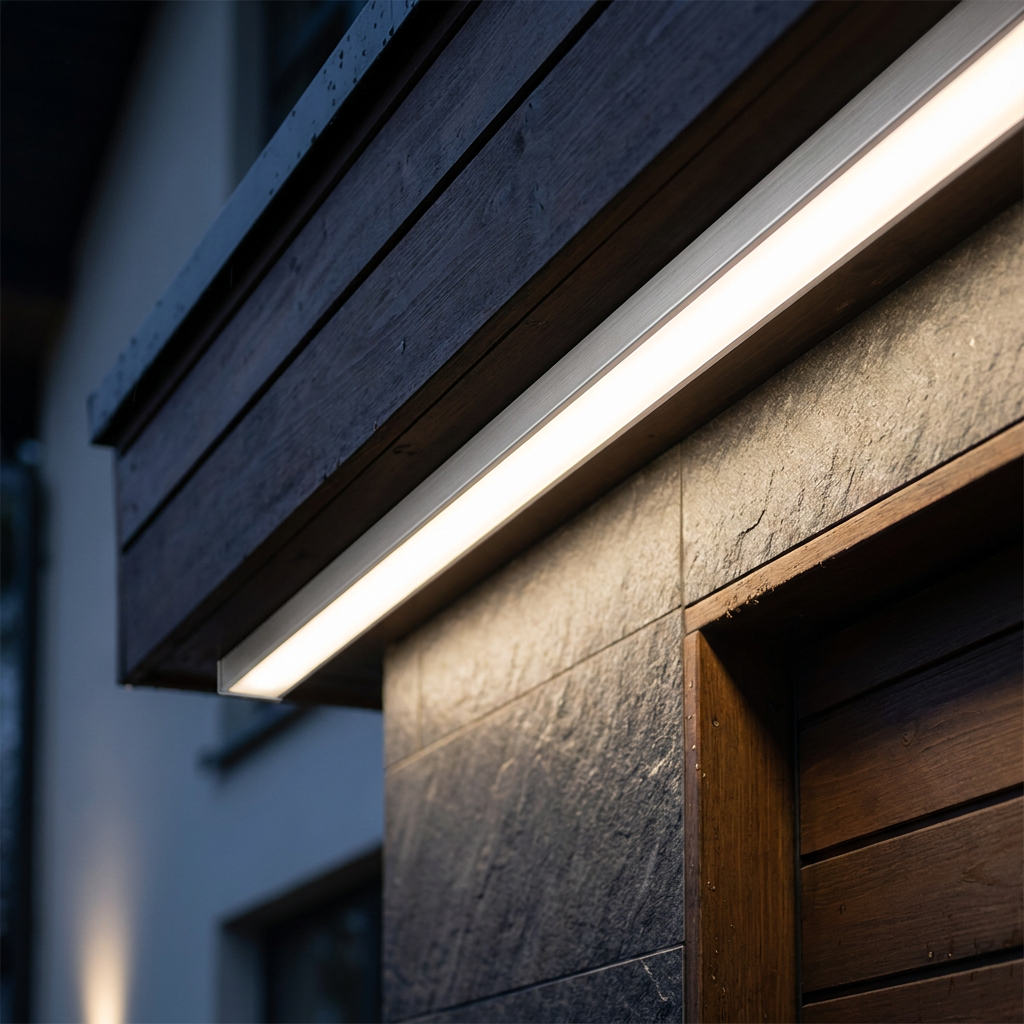
Structural Protection: The rigid aluminum housing shields delicate LED components from physical damage, dust, moisture, and UV radiation, with IP ratings ranging from IP20 (indoor) to IP68 (submersible) depending on design
-
Optical Enhancement: Internal reflectors and diffusion covers (clear, frosted, or milky PC/PMMA) eliminate hotspots and create uniform, eye-pleasing illumination while concealing unsightly wiring
-
Design Versatility: Profiles can be easily cut to custom lengths, curved for architectural features, and finished in anodized, powder-coated, or brushed textures to match any interior design aesthetic
2026′s Hottest Aluminum LED Channel Innovations Transforming Lighting Design
The year 2026 has witnessed groundbreaking innovations in aluminum LED channel technology that are redefining what’s possible in lighting design:
1. Trimless Plasterboard Integration: The “Invisible Light Line” Trend
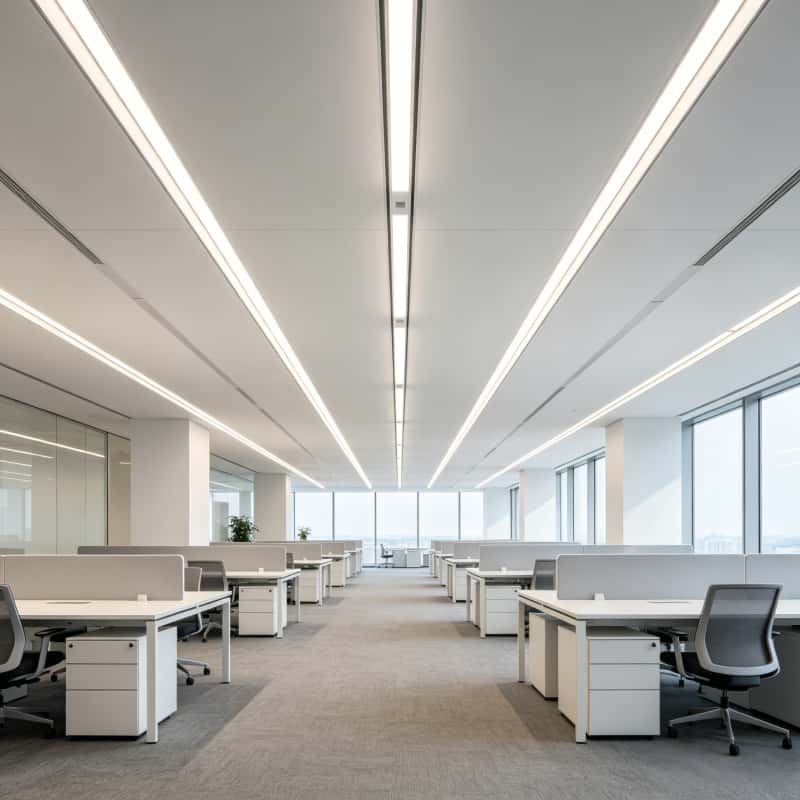
The most talked-about advancement in architectural lighting is trimless recessed aluminum channels that disappear into plasterboard ceilings and walls. These profiles feature ultra-thin edges (as narrow as 3mm) that allow seamless integration with drywall, creating what designers call “glow lines” – subtle, ethereal light sources that emphasize architectural form over the fixture itself. Major commercial projects in New York, London, and Dubai have adopted this technology, with the One Manhattan West office tower using over 12,000 meters of trimless aluminum channels to create a “floating ceiling” effect.
2. Smart-Ready Profiles with Embedded Connectivity
Modern aluminum LED channels now come equipped with integrated wiring channels and magnetic mounting systems designed specifically for smart lighting components. Brands like Signify and Acuity Brands are offering profiles pre-configured to house:
- Wireless control modules (Zigbee, Bluetooth, Wi-Fi)
- Motion and daylight sensors
- DALI and DMX protocol interfaces
- Power-over-Ethernet (PoE) capabilities
This integration simplifies installation by reducing wiring time by 40% while future-proofing lighting systems for evolving smart building standards.
3. Sustainable Manufacturing: The Rise of Recycled Aluminum Solutions
Environmental consciousness is driving a significant shift toward recycled aluminum in light channel production. Industry leaders report that 35% of aluminum used in lighting profiles now comes from recycled sources (up from 22% in 2022), with projections to reach 50% by 2028. Companies like Hydro and Novelis are pioneering closed-loop recycling systems that allow 100% of aluminum profiles to be repurposed at the end of their lifecycle, significantly reducing the carbon footprint of lighting projects.
Case Study: Transforming Milan’s Iconic Galleria Vittorio Emanuele II
The recent renovation of Milan’s historic Galleria Vittorio Emanuele II provides a masterclass in aluminum LED channel application. Lighting designers faced the challenge of illuminating the 19th-century architectural masterpiece while preserving its heritage aesthetics and improving energy efficiency by 70%.
The solution: custom curved aluminum LED channels with frosted diffusers, seamlessly integrated into the vaulted ceilings and balustrades. These profiles:
- Followed the Galleria’s intricate curves with precision bending (minimum radius of 25cm)
- Provided uniform illumination that highlights the frescoes and marble surfaces without causing damage
- Reduced energy consumption from 120W/m (previous halogen system) to 18W/m (LED with aluminum channels)
- Included smart dimming capabilities that adjust light levels based on natural daylight and foot traffic
The result has been universally praised, with the Galleria becoming a showcase for how modern aluminum LED technology can enhance rather than compromise historic architecture.
Choosing the Right Aluminum LED Channel: A Buyer’s Guide for 2026
With the market flooded with options, selecting the ideal aluminum LED channel requires careful consideration of several factors:
| Project Type | Recommended Profile | Key Features | Ideal Applications |
|---|---|---|---|
| Residential | Mini recessed (8-12mm width) | Ultra-slim design, easy installation | Kitchen cabinets, wardrobes, cove lighting |
| Commercial Office | Surface mount (15-20mm width) | High thermal capacity, clean lines | Suspended ceilings, open-plan workspaces |
| Retail | Wide-body (25-30mm width) | High light output, adjustable diffusion | Display cases, shelf lighting, accent walls |
| Outdoor | IP65-rated U-channel | Waterproof end caps, UV-resistant coating | Building facades, landscape lighting, signage |
| Curved Architecture | Bendable aluminum profile | Custom radius capability, flexible mounting | Staircases, domes, curved walls |
The Future of Aluminum LED Light Channels: 2027 and Beyond
Looking ahead, the aluminum LED channel industry is poised for even more innovation:
- Micro-profiles (under 5mm width) for ultra-discreet applications
- Self-cooling designs with integrated heat pipes for high-power LED systems
- 3D-printed aluminum channels enabling complex, project-specific geometries
- Biophilic integration with plant-growing capabilities for green building projects
As lighting becomes increasingly integrated with architecture and technology, aluminum LED channels will remain the backbone of modern linear lighting solutions, offering unmatched performance, design freedom, and sustainability credentials.
Post time: Jun-11-2026