
Driven by booming demand for integrated hidden lighting and stricter low-carbon construction codes across global construction sectors, aluminum light grooves have emerged as a breakout segment within building lighting accessories in 2026. Serving as the critical mounting and heat-dissipation carrier for mainstream linear LED strip lights, this type of customized aluminum profile has witnessed steady market uptake both domestically and overseas. Latest field research released by China Building Decoration Association shows that the domestic aluminum lighting profile market will hit RMB 13.59 billion this year, marking a 6.3% year-on-year increase. Boosted by upgraded residential decoration demands and rebounding overseas engineering orders, aluminum-based light grooves have gradually phased out plastic and iron alternatives, securing a dominant position in residential interior design, commercial building renovation, outdoor landscape lighting and facade decorative lighting projects.
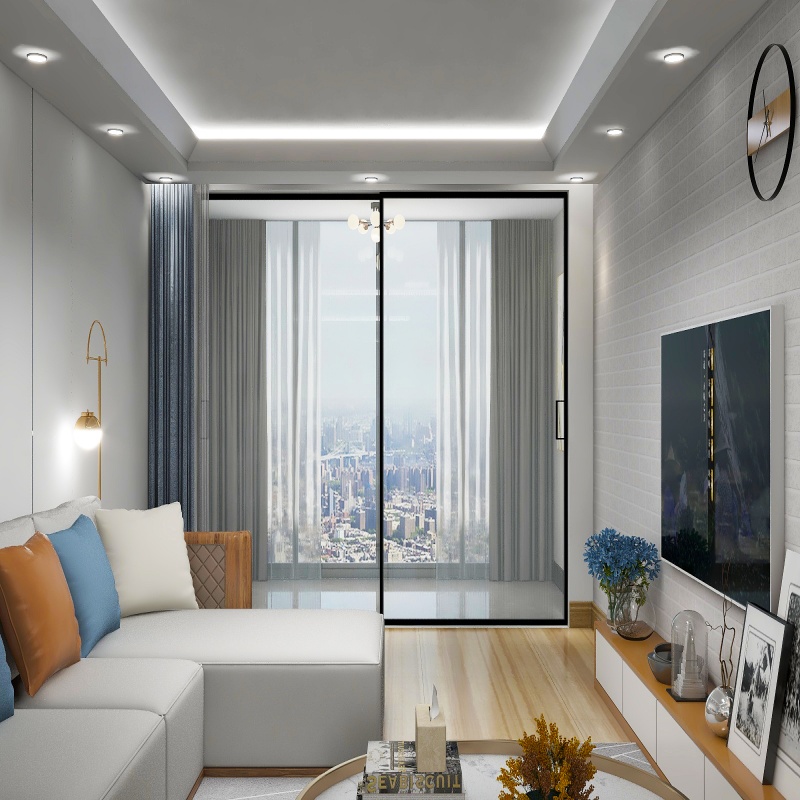
For years, low-cost plastic and thin iron light grooves dominated entry-level decoration projects thanks to their affordable procurement prices. Yet long-term site application has exposed persistent functional flaws that cannot be fixed with simple processing upgrades. Plastic light grooves degrade rapidly under regular indoor temperature fluctuations and long-term light irradiation, suffering from yellowing, structural warping and poor thermal conductivity. The accumulated heat from working LED strips will accelerate light source attenuation and cut down the whole lamp’s service life significantly. Iron light grooves face another common dilemma: rust and corrosion easily occur in humid indoor spaces, balconies and open-air outdoor environments. Besides, rigid iron materials can hardly be processed into slim, irregular shapes required by modern minimalist design, failing to meet designers’ growing personalized customization needs. Against such industry pain points, extruded aluminum alloy light grooves have filled the market gap perfectly and gained consistent recognition from engineering contractors and design institutes.
Practitioners from Foshan’s aluminum profile industrial cluster noted that the material-born merits of aluminum alloys are the core driver behind the product’s fast market penetration. Compared with plastic and iron accessories, aluminum profiles deliver outstanding heat dissipation thanks to high thermal conductivity, effectively dissipating continuous operating heat from LED strips and extending the overall lighting system’s lifespan by nearly 40%. Built with mature extrusion and surface treatment technologies, finished aluminum light grooves feature strong oxidation resistance and structural stability, free from deformation even after years of use. Waterproof upgraded versions with IP65 and IP67 protection levels are now widely applied in outdoor corridors, exterior wall lighting and open-air billboard lighting scenarios, solving the long-standing durability problem of outdoor lighting accessories. Furthermore, flexible deep processing enables manufacturers to adjust cross-sectional dimensions, surface finishes including matte, brushed and anodized colors freely. Such high compatibility allows seamless hidden installation with ceiling gypsum boards, background walls and custom cabinets, which perfectly caters to the prevailing minimalist and integrated interior design trend worldwide.
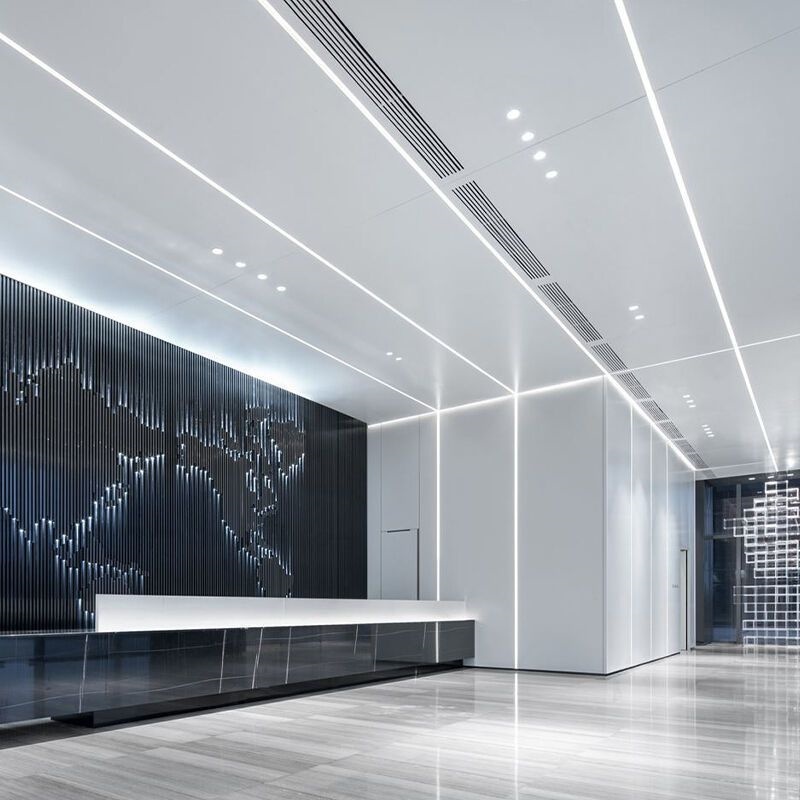
Residential renovation and large-scale commercial construction remain the two core consumption scenarios for aluminum light grooves in China. As invisible linear lighting becomes a standard highlight for high-end hardcover houses, ultra-thin concealed aluminum light grooves have turned into essential supporting materials for ceiling edge lighting, TV background wall ambient lighting and built-in wardrobe lighting. In large-scale public projects such as office buildings, shopping malls and star hotels, thickened engineering-grade aluminum light grooves are prioritized for their stable performance in long-duration uninterrupted operation. Along with the technological upgrading of domestic aluminum processing enterprises, the import substitution pace of high-end lighting aluminum accessories keeps accelerating. The import substitution rate reached 82.6% in 2025, and the figure is projected to surpass 86% in 2026, capturing RMB 520 million market share previously occupied by imported high-end products.
Beyond functional and market advantages, aluminum light grooves also fit the global low-carbon transformation of the construction industry, bringing extra competitive edges for manufacturers. Different from non-degradable and unrecyclable plastic lamp grooves, aluminum boasts a recycling rate above 95%, well aligning with circular economy development requirements. More leading aluminum profile manufacturers have launched production lines adopting recycled aluminum raw materials in recent years, and market demand for eco-friendly recycled aluminum lighting accessories is growing three times faster than traditional primary aluminum products. Green aluminum light groove products produced with clean energy can also help construction projects obtain LEED green building certification, creating more bidding advantages for domestic suppliers in high-standard overseas engineering tenders.
Even with bright market prospects, the whole aluminum light groove industry still faces obvious developmental bottlenecks restricting high-quality growth. A large number of small-scale workshop manufacturers flood the low-end market, triggering vicious price competition year by year. To cut production costs, many unqualified suppliers reduce aluminum wall thickness and adopt low-purity aluminum ingots, resulting in unstable heat dissipation performance and poor anti-corrosion ability of finished products. Such inferior products damage the overall reputation of Chinese aluminum lighting accessories in global markets. Meanwhile, product homogeneity remains severe across the industry. Most small and medium-sized manufacturers focus on copying mature conventional models, while few invest in independent research and development for intelligent light grooves matching smart home linkage systems, limiting product added value improvement.
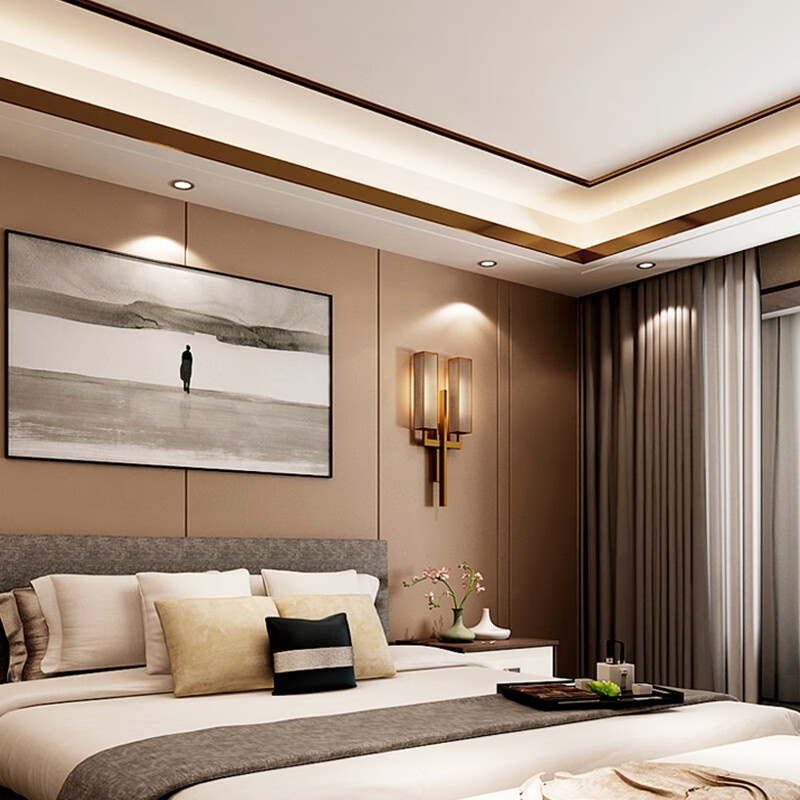
Industry analysts forecast that the global aluminum building accessory market will maintain a 4.2% compound annual growth rate in the next five years, and the aluminum light groove track will outperform the average industry growth level. Instead of relying on low-price strategies to expand market share, manufacturers are suggested to shift focus to product innovation and standardized production. Developing smart dimmable aluminum light grooves compatible with mainstream smart home systems, optimizing lightweight profile technology to lower transportation and on-site installation costs, and unifying engineering product implementation standards will become core competitive directions. In terms of overseas layout, domestic enterprises can leverage cost-effective manufacturing advantages and updated processing technologies to expand markets in Southeast Asia, Europe and the Middle East, where infrastructure and building renovation demands keep rising steadily.
As modern architectural design moves toward minimalism, intellectualization and carbon neutrality, supporting decorative lighting components are constantly iterated to match new design standards. With unique material performance, flexible customization capability and prominent environmental protection attributes, aluminum light grooves will continue to replace outdated traditional lighting accessories and consolidate its core status in modern building lighting systems. Driven by both domestic industrial upgrading and global green building policies, the aluminum light groove industry will step into a quality-oriented development era, ending the past extensive expansion dominated by price competition.
Post time: Jun-17-2026