
The Erasure of Traditional Fixtures In the contemporary world of interior architecture, a profound shift is occurring. The era of bulky, ornate chandeliers and protruding ceiling fixtures is rapidly giving way to a more sophisticated, “invisible” approach to illumination. At the center of this minimalist movement is the aluminium light trough. Often referred to as an LED profile or lighting channel, this simple yet highly engineered component has become the essential bridge between structural architecture and functional lighting. As homeowners and commercial developers strive for cleaner lines and more immersive environments, the demand for high-quality aluminium light troughs has reached an all-time high across global markets from Europe to Southeast Asia.
The Aesthetic of Minimalism: “Lighting Without Main Lights” The rise of the “No Main Light” design philosophy is perhaps the biggest driver of the aluminium light trough market. Instead of relying on a single central light source, modern spaces utilize layers of light—ambient, task, and accent—to create depth and mood. Aluminium light troughs allow LEDs to be seamlessly recessed into ceilings, walls, and even floors.
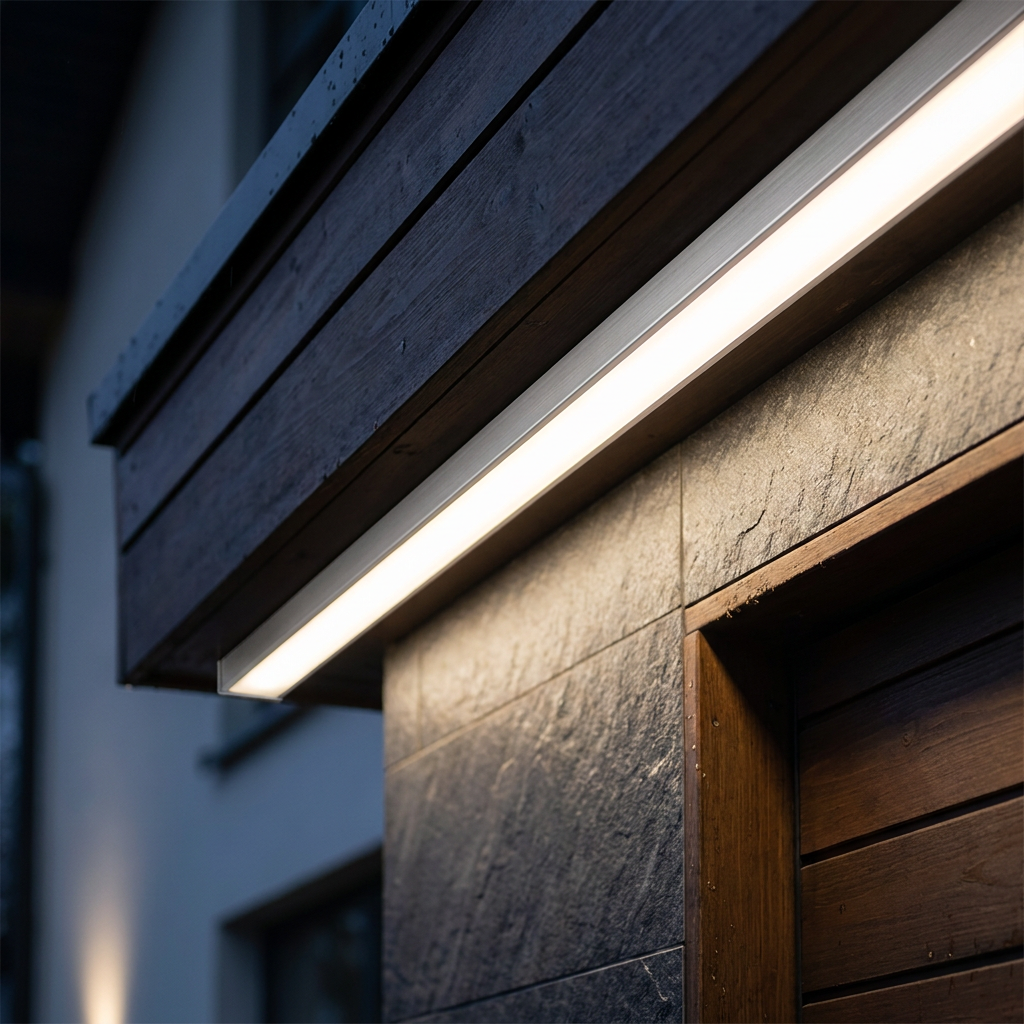
By housing LED strips within a precision-extruded aluminium channel, designers can create continuous lines of light that guide the eye and define the geometry of a room. Whether it is a subtle “wash” of light against a textured wall or a sharp, geometric light pattern in a corporate lobby, the aluminium trough provides the structural framework that makes these artistic expressions possible.
Technical Superiority: The Thermal Management Advantage Beyond aesthetics, the primary reason architects insist on aluminium over plastic alternatives is performance. LEDs, while highly efficient, generate a significant amount of concentrated heat at the point of light emission. If this heat is not dissipated, the life of the LED strip is drastically shortened, and the light quality (color temperature) can shift over time.
An aluminium light trough acts as a high-performance heat sink. The high thermal conductivity of aluminium draws heat away from the LED chips and dissipates it into the surrounding structure. This thermal management ensures that the lighting system maintains its brightness and color consistency for its full rated lifespan—often exceeding 50,000 hours. For commercial installations in hotels or retail galleries where lights are on 24/7, this reliability is a critical financial consideration.
Versatility in Installation: Recessed, Surface, and Corner Solutions One of the key strengths of the aluminium light trough is its incredible versatility. Manufacturers now offer a staggering array of profiles to suit every possible architectural detail:
- Recessed Profiles: These are designed to be plastered into drywalls or ceilings, creating a “trimless” look where the light appears to emerge directly from the building material itself.
- Surface-Mounted Channels: Ideal for renovations or spaces where ceiling depth is limited, these profiles add a sleek, industrial aesthetic to cabinets, wardrobes, and under-shelf lighting.
- Corner and Angled Troughs: Specifically engineered for the junction between walls and ceilings, these profiles provide a perfect 45-degree light distribution, ideal for indirect ambient lighting that eliminates harsh shadows.
The Diffuser Factor: Achieving the “Dot-Free” Look A common challenge with raw LED strips is the “spotting” effect, where individual LED diodes are visible as bright dots. A professional aluminium light trough solves this through high-quality polycarbonate (PC) or PMMA diffusers. These covers, which snap into the aluminium channel, soften the light output and provide a perfectly uniform, continuous beam. High-end diffusers can achieve up to 90% light transmission while completely hiding the underlying circuitry, ensuring that the visual impact is one of pure, liquid light.
Sustainability and Material Longevity In an era of sustainable building practices, aluminium is a standout material. It is 100% recyclable without any loss of quality, and its resistance to corrosion ensures that the aluminium light trough will not rust or degrade, even in humid environments like bathrooms or coastal resorts. Furthermore, the ability to easily replace just the LED strip within the existing trough means that the infrastructure of the lighting system is permanent, reducing waste and long-term maintenance costs.
Global Market Trends and Future Outlook As smart home technology becomes standard, the integration of RGBW and “Tunable White” LED strips into aluminium troughs is the next major frontier. We are seeing a surge in demand for larger, more complex profiles that can house multiple rows of LEDs for high-lumen architectural output. From the smart cities of the UAE to the high-end residential towers of New York, the aluminium light trough is proving to be much more than a simple accessory—it is the very backbone of modern light.
Conclusion: A Brighter, Cleaner Future For manufacturers and traders like those in the Qinkai network, the aluminium light trough represents a high-growth opportunity that complements traditional building hardware. It is the intersection of engineering and art. As we move toward 2027, the focus will continue to be on thinner profiles, easier installation methods, and even more creative ways to integrate light into the very fabric of our buildings. The revolution is linear, and it is made of aluminium.
Post time: May-26-2026