
The Limitation of Metal in Extreme Environments For decades, galvanized steel and aluminum have been the standard materials for industrial cable management. However, in environments characterized by high salinity, acidic vapors, or constant moisture, even the most robust metallic coatings eventually succumb to the relentless force of corrosion. As global infrastructure moves toward more challenging territories—such as offshore wind farms, deep-sea oil rigs, and advanced chemical processing plants—the limitations of metal have become a critical bottleneck. Enter the FRP cable tray (Fiber Reinforced Plastic), a composite marvel that is fundamentally redefining the lifespan and safety of industrial power distribution.
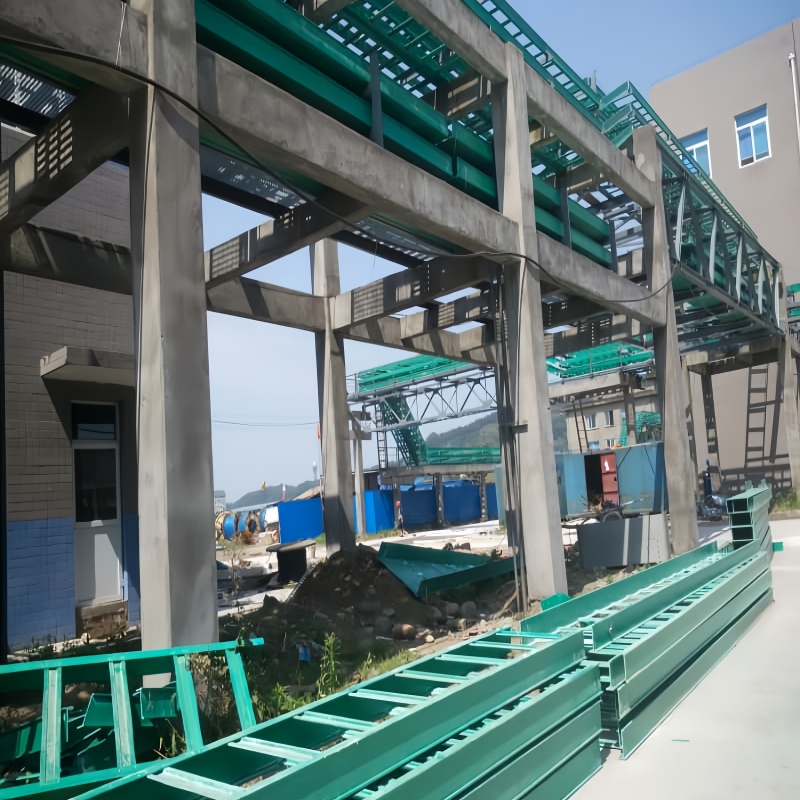
Material Science: The Composite Edge An FRP cable tray, also frequently referred to as GRP (Glass Reinforced Plastic), is a composite material consisting of high-strength glass fibers embedded in a resilient resin matrix. Unlike metal, which oxidizes and degrades when exposed to the elements, FRP is chemically inert. By selecting specific resin types—such as polyester, vinyl ester, or epoxy—manufacturers like Qinkai Systems can tailor the tray’s resistance to specific chemical profiles. This “engineered durability” allows the system to remain structurally sound in environments that would disintegrate a steel tray in less than five years.
Key Advantage 1: Unmatched Corrosion Resistance The primary driver for the adoption of FRP cable tray systems is their total immunity to rust and most industrial chemicals. In wastewater treatment plants, where hydrogen sulfide gas creates a highly acidic environment, or in coastal regions with heavy salt spray, FRP remains untouched. This eliminates the need for expensive surface retreats, painting, or the premature replacement of entire systems. For project stakeholders in Australia and the UAE, where environmental conditions are particularly harsh, the transition to FRP represents a massive leap in long-term reliability.
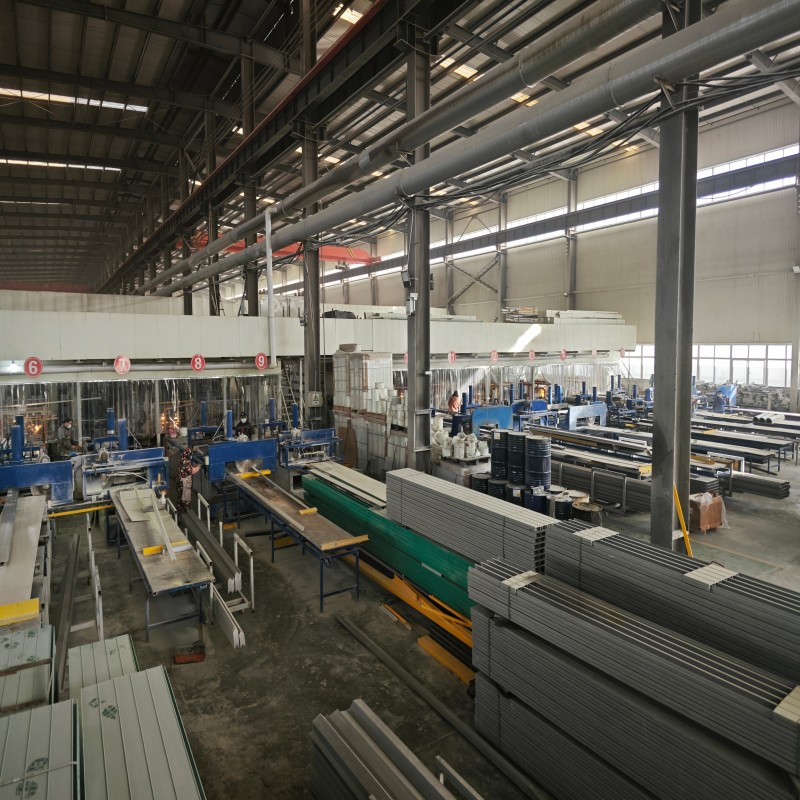
Key Advantage 2: Non-Conductivity and Electrical Safety Safety is paramount in high-voltage environments. Metal trays, being naturally conductive, require complex grounding and bonding systems to prevent electrical shocks or sparks in the event of a cable failure. An FRP cable tray is inherently non-conductive. It provides an extra layer of dielectric protection, eliminating the risk of step and touch voltages. This makes it the preferred choice for power plants, substations, and underground mining operations where electrical safety is a life-or-death matter. Furthermore, being non-magnetic, FRP does not interfere with electromagnetic fields, ensuring cleaner signal transmission for sensitive instrumentation.
Key Advantage 3: High Strength-to-Weight Ratio One of the most significant logistical benefits of fiberglass is its weight—or lack thereof. An FRP cable tray is approximately 70% lighter than its steel equivalent while maintaining comparable load-bearing capacities. This lightweight nature dramatically reduces shipping costs and simplifies on-site installation. A two-man team can often manually move and install long sections of FRP tray that would require a crane or heavy lifting equipment if made of steel. This reduction in labor hours and equipment rental significantly lowers the overall project cost.
The Economic Reality: OPEX vs. CAPEX While the initial purchase price (CAPEX) of an FRP cable tray may be higher than that of pre-galvanized steel, the total cost of ownership (TCO) tells a different story. When you factor in the zero maintenance costs, the lack of grounding requirements, and a service life that often exceeds 30 to 40 years, the return on investment is undeniable. In heavy industry, where downtime for repairs can cost thousands of dollars per hour, the “install and forget” nature of FRP is a strategic financial asset.
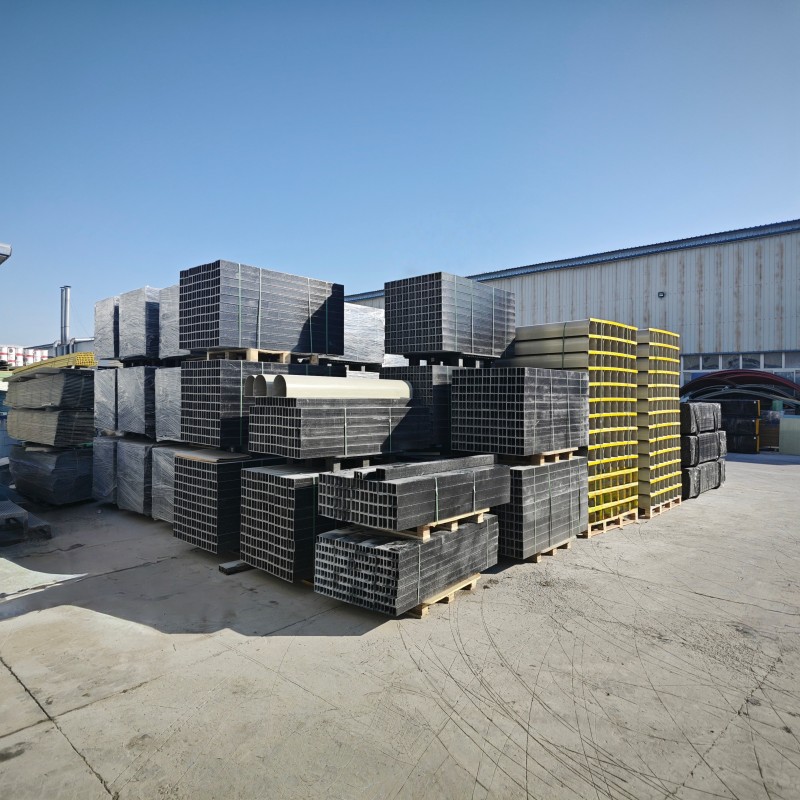
Sustainability and Environmental Impact As the global construction industry pivots toward greener practices, FRP stands out for its longevity. By extending the replacement cycle of infrastructure, we reduce the carbon footprint associated with manufacturing and transporting replacement materials. Additionally, the energy required to produce FRP is significantly lower than that of steel or aluminum, making it a more environmentally responsible choice for modern ESG-compliant projects.
Conclusion: The Future is Composite The global shift toward FRP cable tray systems is not merely a trend; it is a logical response to the increasing technical demands of modern industry. From the massive desalination plants of Saudi Arabia to the chemical corridors of North America, the message is clear: when the environment is at its worst, FRP is at its best. For manufacturers and traders who can bridge the gap between material science and site-specific engineering, the future of the cable management market is undeniably composite.
Post time: May-26-2026